What Size Storage Unit Do You Need for a 2-Bedroom Apartment?
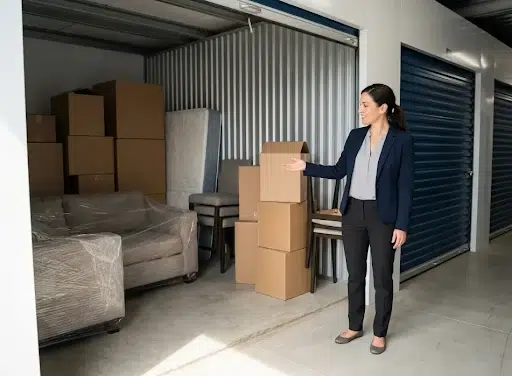
Most people in the middle of a move assume they need to decide immediately what stays and what goes. The reality is that a storage unit gives you a third option: a place where things can wait while the rest of life catches up. If you’re asking what size storage unit for a 2-bedroom apartment makes sense during the gap between leases and closing day, the answer depends on how much you’re moving, how long the unit will hold it, and whether you’re sorting as you go or simply buying time.
Why the Move From Apartment to Home Creates a Unique Storage Situation
Buying a home after renting a two-bedroom apartment is rarely a clean handoff. Closing dates shift. Painting and flooring projects need to finish before furniture moves in. Or the new place may be smaller than expected, leaving you with items that won’t comfortably fit in the house yet.
A storage unit during this window is not a permanent solution, but it is a practical buffer that keeps your belongings organized and out of the way while you settle in at your own pace. The key is choosing the right size so you’re not overpaying for empty floor space or cramming a sofa into a unit that’s two feet too short.
The Unit Sizes That Fit Most Two-Bedroom Moves
The 10×10: A Solid Starting Point
A 10×10 unit, roughly the footprint of a standard bedroom, holds the contents of a two-bedroom apartment when furniture is stacked efficiently, and boxes are organized vertically. That typically includes a queen or full bed frame and mattress, a dresser, a small couch, a dining table with chairs, and a reasonable number of boxes. If you’re a light accumulator and the apartment was sparsely furnished, this size often works well.
For packing guidance that helps you make the most of a 10×10, our packing tips walk you through how to load a unit so heavier items anchor the base and frequently needed items stay reachable near the door.
The 10×15 or 10×20: When You Need More Room
Two-bedroom apartments vary considerably in how much they hold. If yours had a full living room setup, a king bed, a home office, and years of accumulated seasonal gear, a 10×10 unit will feel tight. A 10×15 or 10×20 unit gives you room to store larger pieces upright, keep a helpful aisle through the center, and avoid the kind of Tetris-style stacking that makes retrieving a single box an ordeal.
A 10×20 is also worth considering if the new home has a renovation in progress. Furniture that can’t go into a room under construction needs somewhere to land, and having the extra floor space in a unit means pieces aren’t stacked in ways that risk damage.
Not sure which size fits your specific inventory? Our storage unit size guide breaks down what fits in each option so you can match square footage to what you actually own.
What To Prioritize When You’re Mid-Move
When a two-bedroom apartment empties out before the new home is fully ready, the instinct is to move everything into storage at once. A more useful approach is to separate items into two categories: what goes directly to the new address on move-in day, and what can wait in the unit until the house is ready to receive it.
Everyday essentials, bedding, and kitchen items should travel with you. Furniture for rooms that aren’t finished yet, offseason clothing, sporting equipment, and decorative pieces that haven’t found a wall yet are good candidates for the unit. This keeps the new home livable from day one without forcing decisions about where everything belongs before you’ve had a chance to settle in.
If you’re also navigating a first move and want a broader checklist, we have helpful advice for your first move to cover the planning side in more detail.
Climate-Controlled Storage for Items That Need Stable Temperatures
Not every item from a two-bedroom apartment does well in a standard drive-up unit. Wood furniture, electronics, musical instruments, and artwork can all be affected by temperature swings when stored for more than a few weeks. A climate-controlled unit maintains a consistent temperature range year-round, which helps reduce the risk of warping, cracking, or finish damage on pieces you plan to use in the new home.
If you’re storing items that fall into these categories, climate-controlled storage options at Superior Storage are worth looking into before you book a unit.
Month-to-Month Flexibility During a Gap Move
One of the most practical aspects of renting storage during a home purchase is the flexibility of a month-to-month lease. Closing timelines shift. Renovation schedules run long. A lease that doesn’t lock you into six or twelve months means you’re paying only for the time you actually need the unit, and you can vacate as soon as the new home is ready to absorb everything.
A Practical Summary Before You Reserve
For a standard two-bedroom apartment with typical furnishings, a 10×10 unit handles the load when packed well. Add a home office, a king bedroom set, or a full garage’s worth of gear, and a 10×15 or 10×20 unit becomes the more comfortable choice. Climate-controlled units are worth the upgrade for wood furniture, instruments, and electronics.
A well-chosen unit size with a flexible lease and a clear plan for what goes inside makes the transition considerably smoother than trying to do it all in a single moving day. Explore all Superior Storage locations to find the facility closest to your apartment, your new home, or the midpoint between them, and reserve your space today.