How To Declutter Your Home Without Getting Rid of Everything
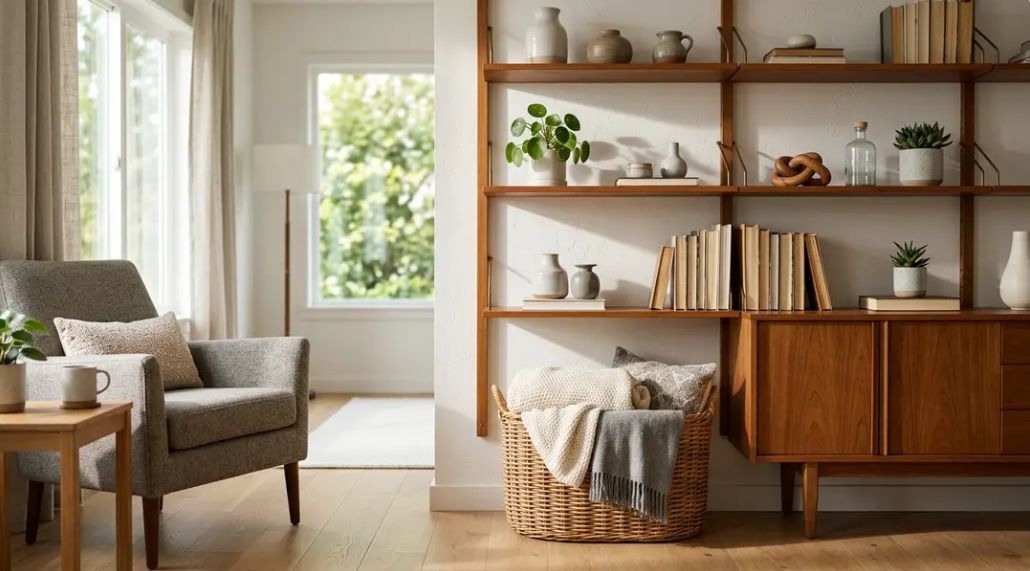
A garage full of camping gear, a spare room stacked with holiday decor, a closet that won’t quite close; these aren’t signs that you own too much. They’re often signs that your space isn’t organized around how you actually live. Knowing how to declutter your home means figuring out what belongs in your daily environment and what belongs somewhere else, and Superior Storage is here to help you understand the difference.
The Real Goal of Decluttering
The common assumption is that decluttering equals getting rid of things. In practice, the more useful goal is reducing friction in your home. If you’re stepping over ski equipment in July or digging past Halloween bins to reach everyday items, the problem is placement. Sorting by frequency of use is a more practical framework than sorting by attachment.
Start by grouping items into two broad categories: things you use regularly and things you use seasonally or occasionally. The first group stays within easy reach. The second group is where most of the clutter lives, and it’s also where a storage unit becomes genuinely useful rather than a last resort.
Room-by-Room Starting Points
Tackling the whole house at once leads to burnout. Pick one room and work through it completely before moving on. A few areas that tend to yield the most immediate results:
- Closets: Pull out anything seasonal, including winter coats, bulky sweaters, offseason footwear, and set it aside for rotation rather than donation.
- Garages: Sporting equipment, lawn tools, and holiday decorations are prime candidates for off-site storage, freeing up floor space for vehicles or a workspace.
- Spare rooms: These often become default overflow zones. Identify what’s actually stored there versus what’s just landed there, and give each category a proper home.
- Living areas: Furniture that made sense in a previous home sometimes crowds a new layout. Storing a piece temporarily can help you figure out whether you genuinely miss it.
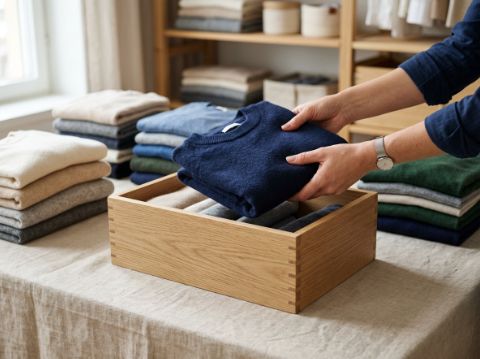
For items you’re keeping but rotating out of the house, our packing tips can help you box and label things so they’re easy to retrieve later, not just stacked and forgotten.
When Storage Makes More Sense Than Selling
Selling or donating works well for items you’ve genuinely outgrown. For everything else, such as furniture between moves, gear tied to a hobby you still do, decor with real sentimental weight, a storage unit is a better fit than a yard sale. The cost of replacing something you gave away prematurely often exceeds months of storage rent.
This is especially true during transitions: a renovation, a move, a new baby, or a household member heading off to college. Residential storage gives you a holding space that keeps your options open while your home situation settles. If you’re not sure how much space you’d need, our unit size guide at Superior Storage is a practical starting point.
Build a Seasonal Rotation Habit
If you’ve gone through a bigger life change recently, our article on downsizing into a smaller home covers how to approach a more significant sort when the square footage changes.
Decluttering your home works best as an ongoing habit rather than a one-time overhaul. Keep what you use, store what you rotate, and let go of what you’ve genuinely moved past. Superior Storage locations across Arkansas, North Carolina, Georgia, Wisconsin, and Florida are available on flexible month-to-month terms, so your storage solution can grow or shrink right alongside your needs.