Prohibited Items: What You Can and Cannot Pack in Your Unit
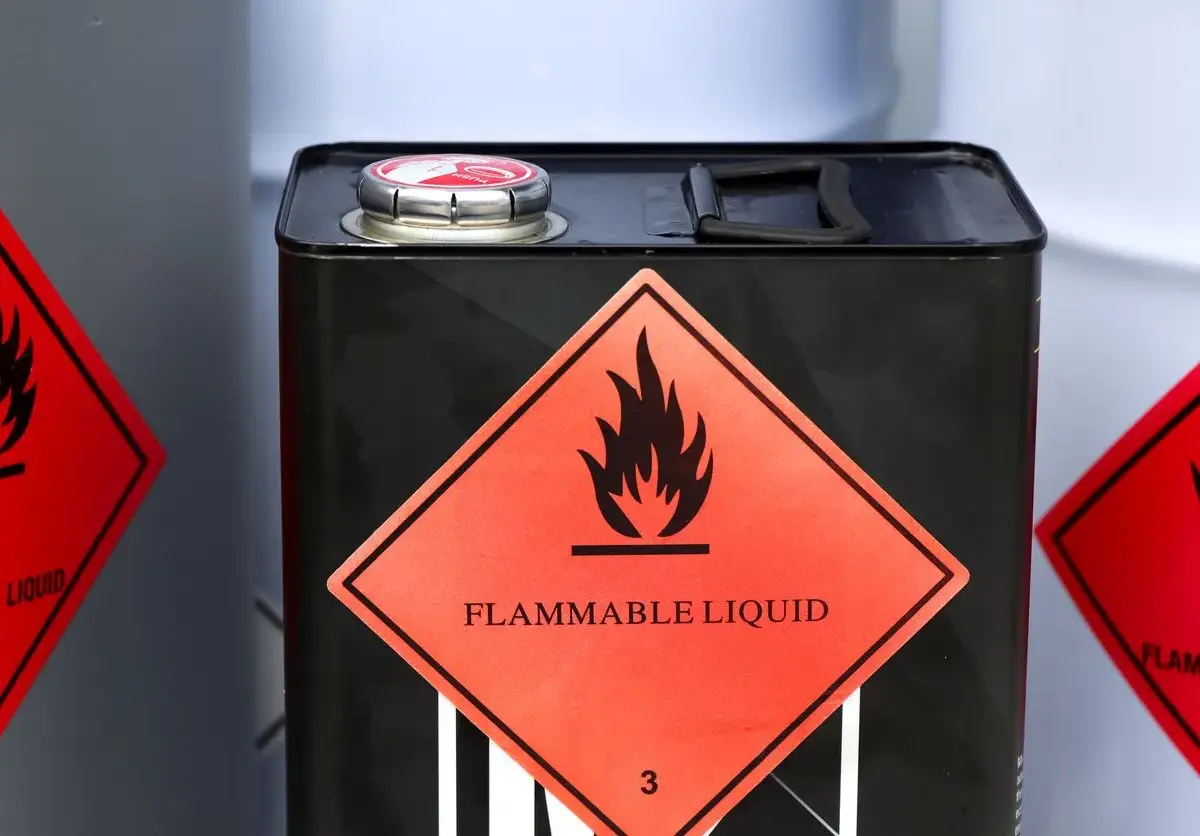
Before you load your storage unit, it helps to know what should stay out. Some items can leak, spoil, create odors, or cause problems inside the storage facility, even if they seem harmless while you are packing.
Most clean, dry household items can be stored without trouble. Furniture, clothing, seasonal decor, business supplies, and sports equipment are usually fine when packed correctly. The main thing is to separate prohibited storage items, including flammable liquids, perishable food, and anything that could spill or create a hazard.
For anyone new to renting storage, reviewing item restrictions in storage lease agreements is one of the best places to start. As you prepare for move-in, Superior Storage’s move-in planning tips can help you organize your packing process before you bring everything to the storage facility.
Why Storage Facilities Restrict Certain Items
Storage restrictions are not meant to make packing harder. They help set clear expectations for how each renter can use their storage unit and what types of materials need to be handled somewhere else.
Some items require more than a closed storage space can provide. Chemicals, fuel, and other sensitive materials may need ventilation, regulated disposal, or specific storage conditions that a standard storage unit does not offer.
When an item seems unclear, it is better to ask before bringing it to the storage facility. That small step can help you avoid repacking at the last minute or finding out after arrival that something needs to be handled another way.
Hazardous Materials Do Not Belong in Storage Units
Hazardous materials are some of the clearest prohibited storage items. Many of these products need ventilation, special handling, or disposal steps that a standard storage unit cannot provide.
Common examples include:
- Gasoline, propane tanks, and lighter fluid.
- Paint thinner, motor oil, and automotive fluids.
- Pesticides, harsh chemicals, and cleaning products with warning labels.
- Fireworks, flares, and other combustible materials.
Before packing items from a garage, shed, or utility closet, check labels for words like flammable, corrosive, toxic, or combustible. Set those products aside and follow local disposal instructions instead of packing them with tools, seasonal gear, or household supplies.
Perishable Food and Scented Items Should Stay Out

Food needs a careful review before anything goes into a storage unit. Perishable food, open containers, refrigerated items, produce, pet food, and anything that can spoil should stay out because they can create odors or attract pests.
Some pantry items may also be a poor fit if the packaging is open, thin, or easy to chew through. Before packing kitchen items, check boxes, coolers, pantry bins, and small appliances for crumbs, grease, or food residue.
A clean packing process matters here, especially for items coming from kitchens, garages, or utility areas. Our packing tips can help you prepare boxes, furniture, and household items in a way that supports better organization before move-in.
Living Things Are Not Allowed in Storage Units
Storage units are meant for belongings, not people, pets, or plants. They do not provide the light, airflow, water, or daily care that living things need, even for a short period.
Plants can also create problems inside a storage space. Soil, moisture, insects, and plant debris can affect nearby boxes or leave a mess behind if the plant dries out or decays.
During a move, plan separate transportation for pets and plants before loading begins. This helps you avoid mixing them with household items and makes the move more organized from the start.
Items That Need Better Storage Conditions
Not every sensitive item is prohibited. Documents, electronics, wood furniture, fabric, artwork, and photos may be allowed in a storage unit, but they can react to heat or long periods in an enclosed space.
For these belongings, the type of storage unit matters. Items that may respond poorly to temperature changes can be better suited for ourclimate-controlled storage options, especially during longer storage periods.
Before storing them, focus on careful packing and placement. Let items air out when needed, use sturdy boxes, and place fragile boxes where heavier items will not press down on them.
What You Can Usually Pack in a Storage Unit

Once restricted items are set aside, it becomes easier to decide what can go into your storage unit. Most clean household belongings are fine to store when they are packed properly and do not need special handling.
As one of our self storage tips for beginners, start with items that are stable, legal, and unlikely to spoil or spill.
Common examples include:
- Covered furniture
- Seasonal clothing in sealed containers
- Holiday decor
- Books and boxed household goods
- Office supplies and business records
- Sports equipment
- Small appliances with no food residue
- Tools without fuel, oil, or hazardous residue
Review Your Lease Before Move-In Day
Storage lease agreements explain the renter’s responsibilities, payment terms, access rules, and item restrictions. They are also important for month-to-month storage rentals because a flexible rental structure still includes rules about how each storage unit can be used.
Review the rental terms before you start loading boxes, especially if you are clearing out a garage, shed, kitchen, or utility closet. Those areas often include items that need special handling, such as fuel, chemicals, food, or cleaning products.
If a rule seems unclear, our FAQ page can help answer common rental questions before move-in day. You can also ask the storage facility team directly before bringing an item that may not belong in your storage unit.
Store Your Belongings With Superior Storage
After you know what can go into storage, choosing the right storage unit is the next step. Superior Storage gives renters options for household items, seasonal belongings, business supplies, and other approved items.
Contact us or call us today to rent a storage unit. You can also contact us online if you have questions before choosing a storage unit.