Spring Allergies? Store Away Winter Items That Collect Dust
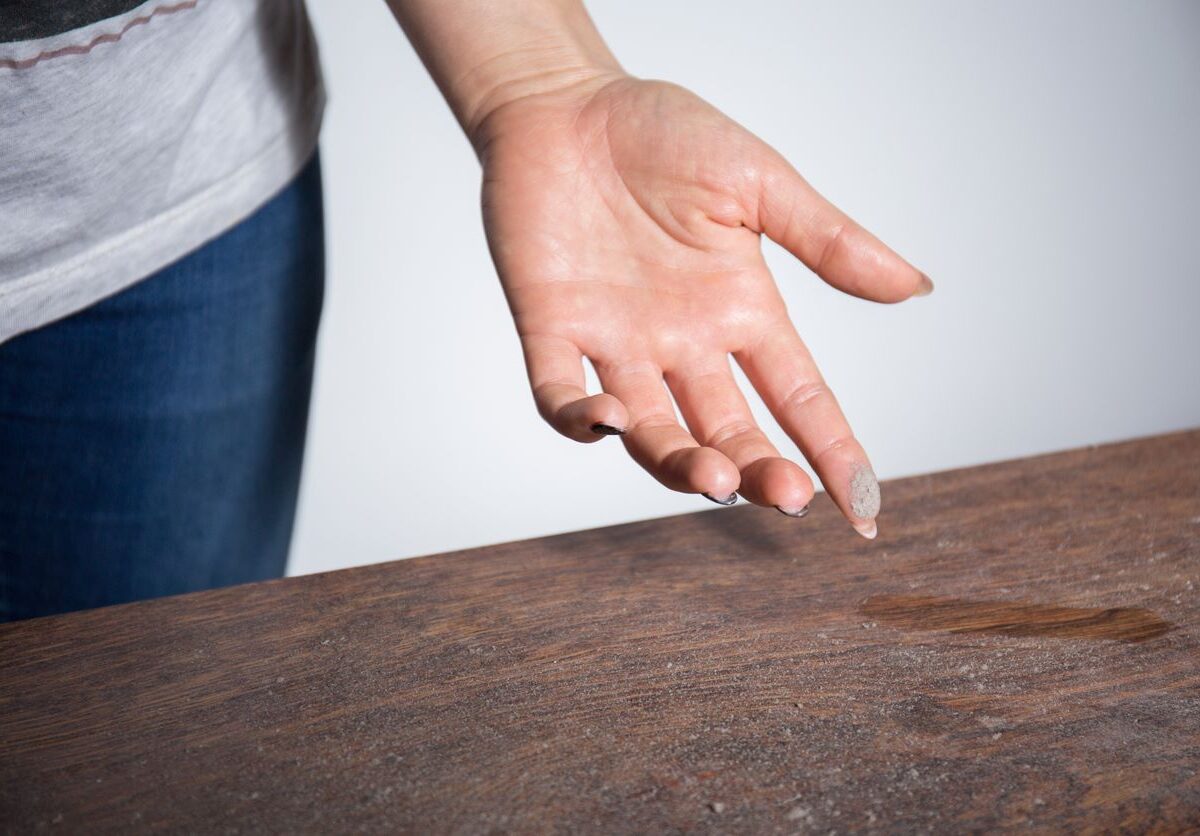
Every spring, millions of Americans brace for sneezing fits, watery eyes, and congestion. While pollen from blooming trees and grasses gets most of the blame, the real culprit behind your worst allergy symptoms might already be inside your home. Heavy winter coats draped over chairs, extra blankets piled in the closet, and holiday decor stacked in the spare bedroom all trap dust, dust mites, and other allergens that circulate through your air every time you walk by them.
Allergy season preparation doesn’t have to mean loading up on antihistamines. One of the most effective dust allergy solutions is also one of the simplest. To get your winter items out of the house, use a self storage unit to give those bulky, allergen-collecting belongings a proper home so your living space can finally breathe.
Why Winter Items Make Spring Allergies Worse
Dust mites are one of the most common indoor allergens, and they thrive in the exact places you store your winter gear. According to the American College of Allergy, Asthma & Immunology, dust mites live in fabric, bedding, and upholstered surfaces, precisely the kinds of items you’ve had stacked in closets all season long.
Heavy wool coats, fleece blankets, down comforters, and decorative throw pillows are dust mite magnets. Left in your bedroom or living room through spring and summer, they continue shedding allergens into the air you breathe indoors. Combine that with pollen that tracks in through open windows, and your home becomes a perfect storm for allergy flare-ups.
The good news is that removing these items from your living space is one of the most direct ways to reduce indoor allergens and improve air quality throughout the warmer months.
What to Clean and Store Before Allergy Season Hits

Before moving anything into a self storage unit, give each item a thorough cleaning. Storing dirty items only traps allergens inside your unit, and some can follow you back home when you retrieve your belongings next fall.
Winter Clothes and Coats
Wash or dry-clean every coat, sweater, scarf, and pair of heavy pants before storing them. Wool and fleece are especially good at holding onto dust, pet dander, and pollen. Once clean, seal them in airtight bags or plastic bins to keep allergens out during storage.
Store Winter Bedding Properly
Down comforters, flannel sheets, and electric blankets should be laundered according to their care labels before being stored. Use vacuum-seal storage bags to compress bulky bedding and protect it from moisture and dust. This is one of the most effective clean air storage solutions for households with severe dust allergies.
Holiday and Seasonal Decor
Fabric-based decorations like Christmas tree skirts, decorative pillows, and fabric garlands collect dust over months in storage. Shake them out outdoors, wipe down hard surfaces, and pack everything into sealed bins before moving them out.
Area Rugs and Floor Coverings
If you use thick rugs during colder months, rolling them up and moving them to storage for spring and summer removes a major allergen source from your floors. Roll them tightly, wrap them in plastic, and store them flat or upright.
Extra Furniture and Cushions
Spare throw pillows, decorative cushions, and seasonal accent furniture crowd your living space and accumulate dust. Clearing them out for the season makes your home easier to clean and significantly reduces pollen and dust control challenges week to week.
How Self Storage for Allergies Works in Your Favor

Keeping winter items in an off-site storage unit rather than a spare closet or basement does more than open up space. It removes a continuous source of allergens from your home environment entirely. Every time you open a closet stuffed with dusty coats and blankets, you stir up particles that settle on surfaces and get pulled into your HVAC system. Moving those items off-site breaks that cycle.
Superior Storage offers residential storage options at locations across Arkansas, Florida, Georgia, North Carolina, and Wisconsin, making it straightforward to find a unit close to home. For items like bedding, clothing, and delicate seasonal decor, a climate-controlled storage unit is worth considering. Stable temperature levels shield fabrics from mold and mildew, which are allergens in their own right.
Not sure what size unit you need for a seasonal swap? The Superior Storage size guidecan help you figure out the right fit before you rent.
Seasonal Decluttering Tips to Maximize Allergy Relief
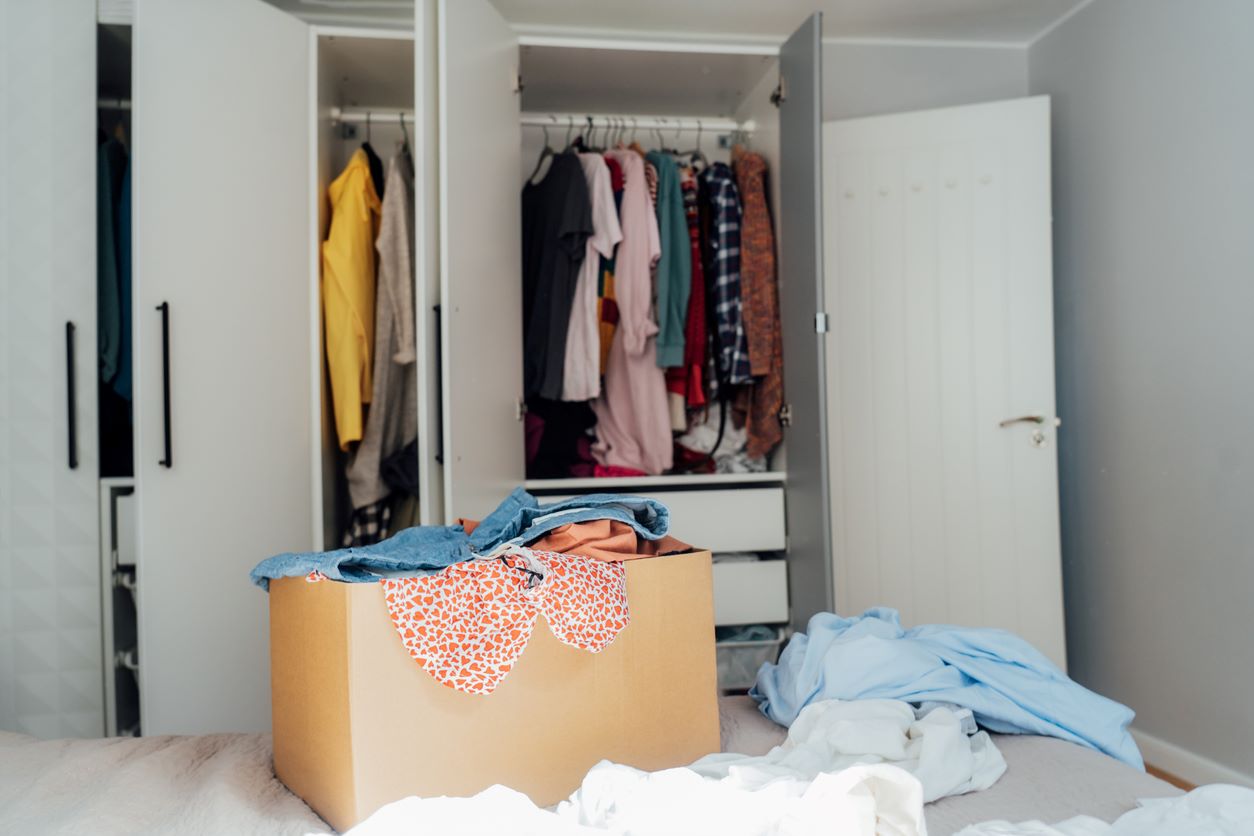
Beyond simply moving items out, a few additional seasonal decluttering strategies can make a real difference in your indoor air quality.
Vacuum Before and After Cleaning
Once you’ve removed winter items from a room, vacuum thoroughly, including baseboards, shelving, and any fabric surfaces that remain. Use a vacuum with a HEPA filter if possible, as standard filters can release fine particles back into the air.
Wipe Down Storage Areas
After emptying a closet or shelving unit, wipe all surfaces with a damp cloth before putting anything back. Dry dusting moves allergens into the air rather than removing them.
Wash Your Hands After Handling Stored Items
Dust and mold spores transfer easily from fabric to your face. Washing up after sorting through winter belongings keeps allergens from reaching your eyes, nose, and mouth.
Don’t Bring Unnecessary Items Back In
Use this seasonal swap as an opportunity to evaluate what you actually need. Items you haven’t used in two or more years can be donated or discarded rather than cycled back into storage every season.
Change Your HVAC Filter
After completing your seasonal decluttering, swap out your air filter. The EPA recommendsusing filters rated MERV 8 or higher to capture dust mites, pollen, and mold spores more effectively.
Make Allergy Relief Storage Part of Your Spring Routine
Spring cleaning and allergy season preparation go hand in hand. Taking a weekend to sort through your winter items, wash and pack them properly, and move them to a self storage unit pays off in weeks of better air quality and fewer allergy symptoms.
Superior Storage makes it easy to get started with month-to-month leases, online rental options, and facilities equipped with security features to keep your belongings secure all season long. Check out our packing tipsfor guidance on protecting clothes, bedding, and other seasonal items in storage.
If you’re ready to clear the air, find a Superior Storage location near you and take the first step toward a more allergen-free home this spring.